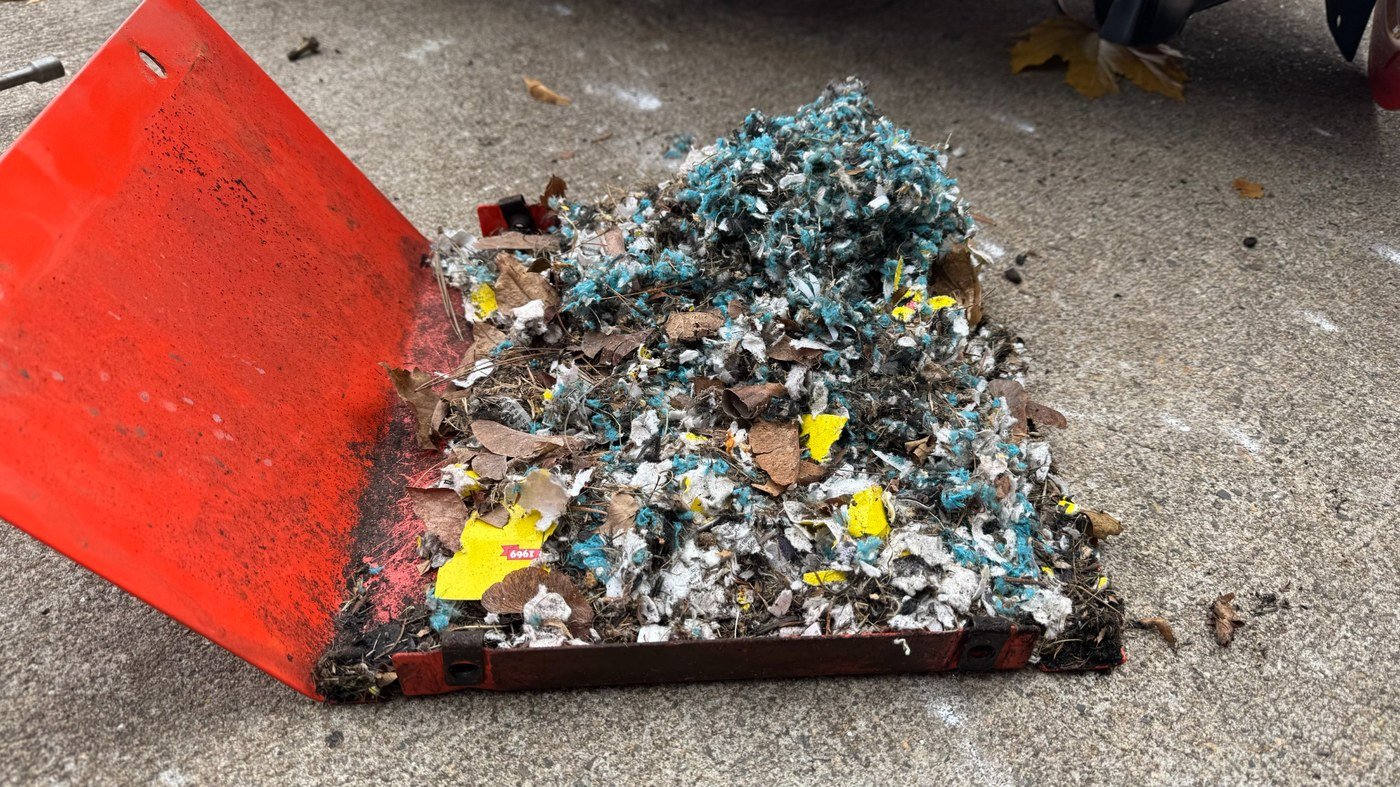
Debris & nest removal
Heavy debris and nest material removed from inside the machine. Cleaning out blockages like this can be a key part of getting equipment running safely again.
Here are real examples of the kinds of repair work we do. This page helps customers see the problems we diagnose and the care that goes into each repair.
Heavy debris and nest material removed from inside the machine. Cleaning out blockages like this can be a key part of getting equipment running safely again.
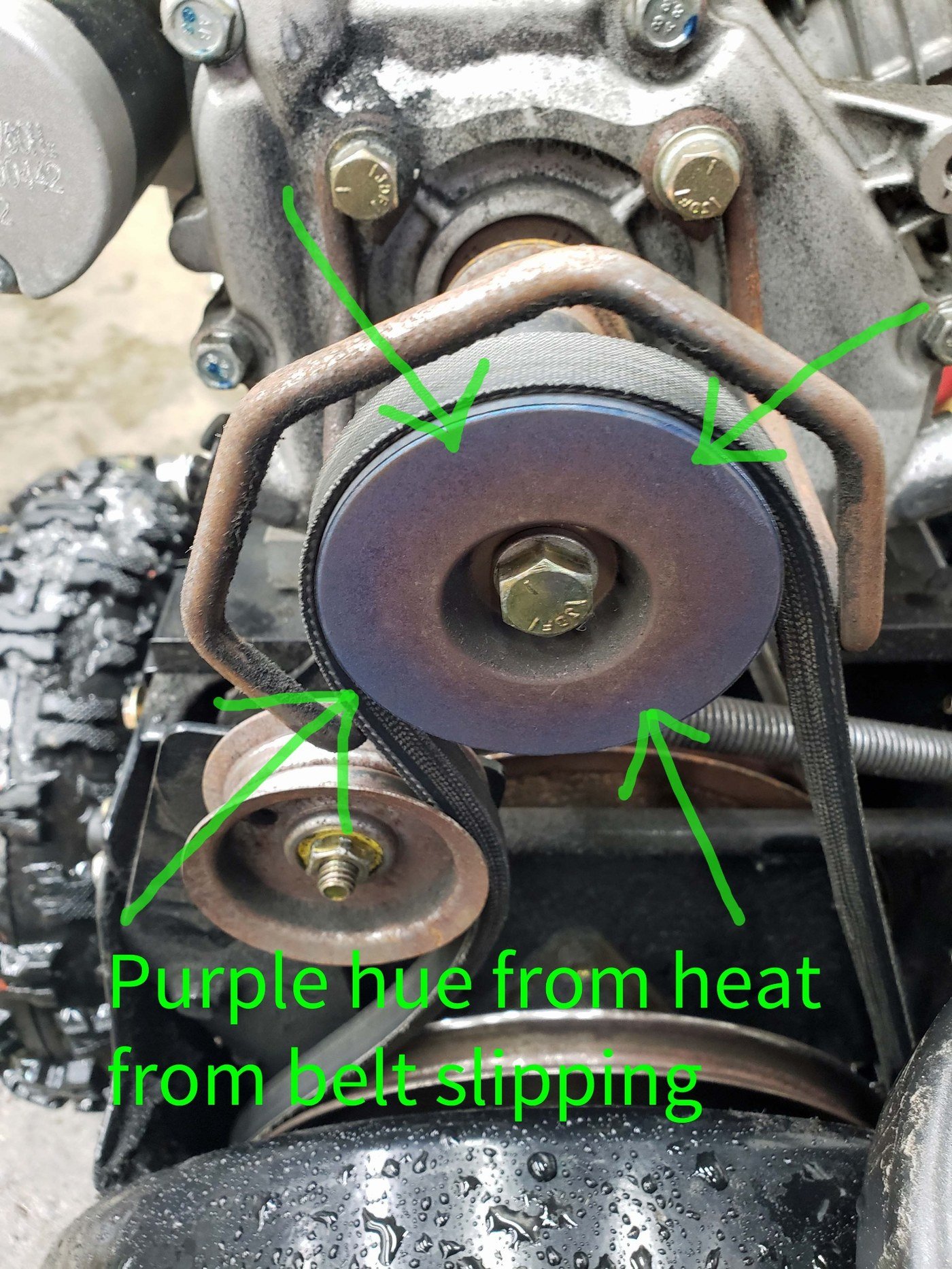
This pulley developed a purple heat tint from belt slippage. Photos like this help explain the root cause of a failure to the customer.
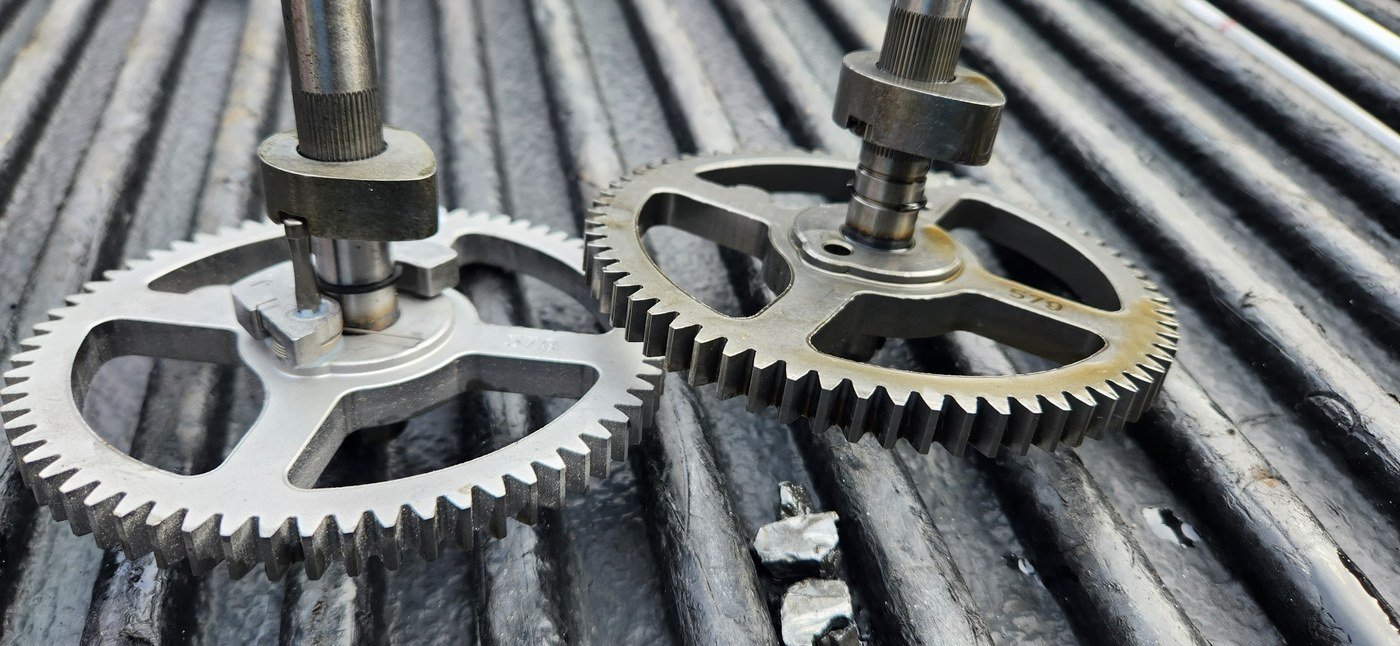
A side-by-side look at repaired or replacement gear components, showing the detail work involved in restoring proper operation.
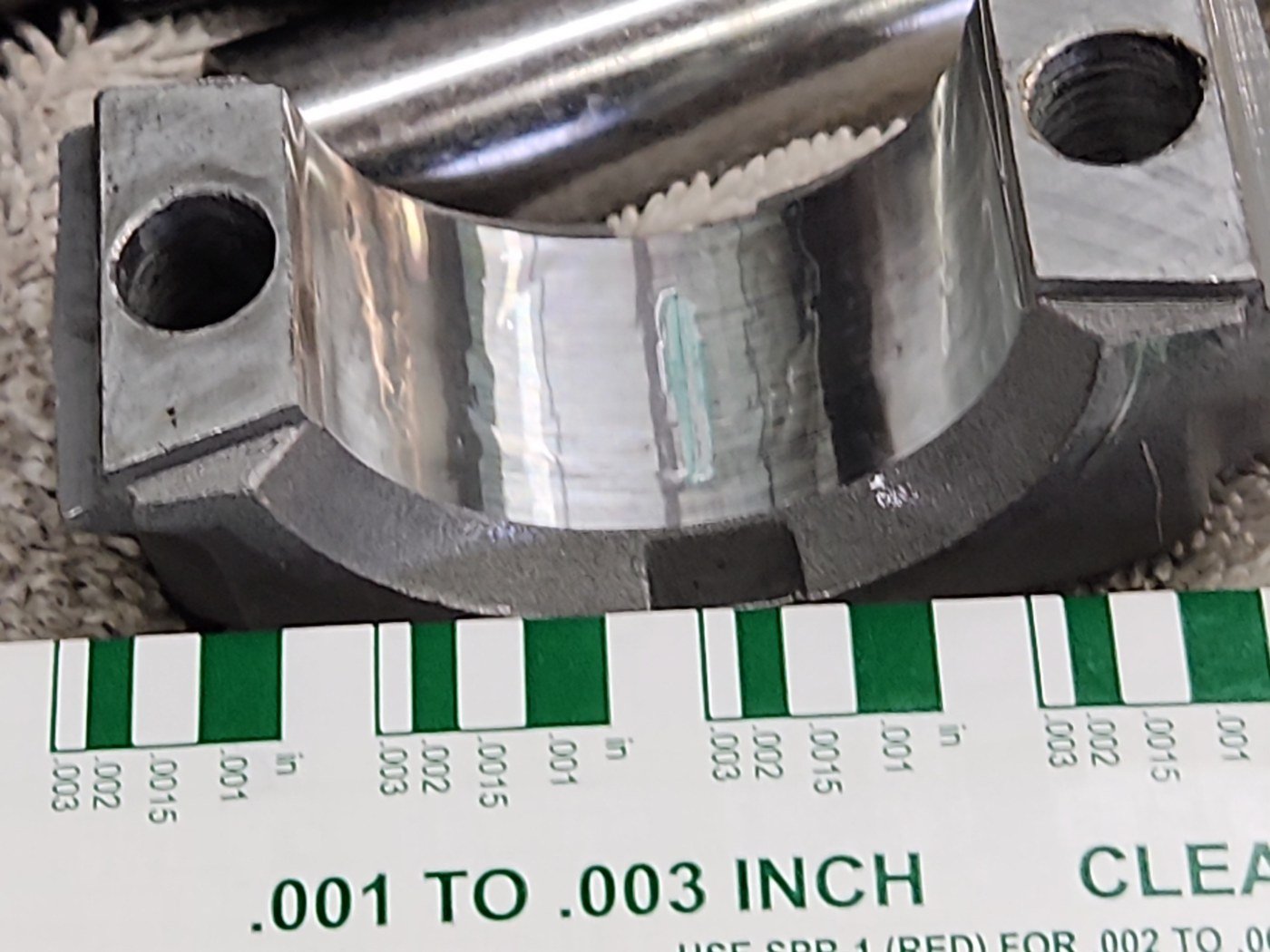
Close-up inspection and measurement of a machined surface during diagnosis, showing the kind of careful evaluation some repairs require.
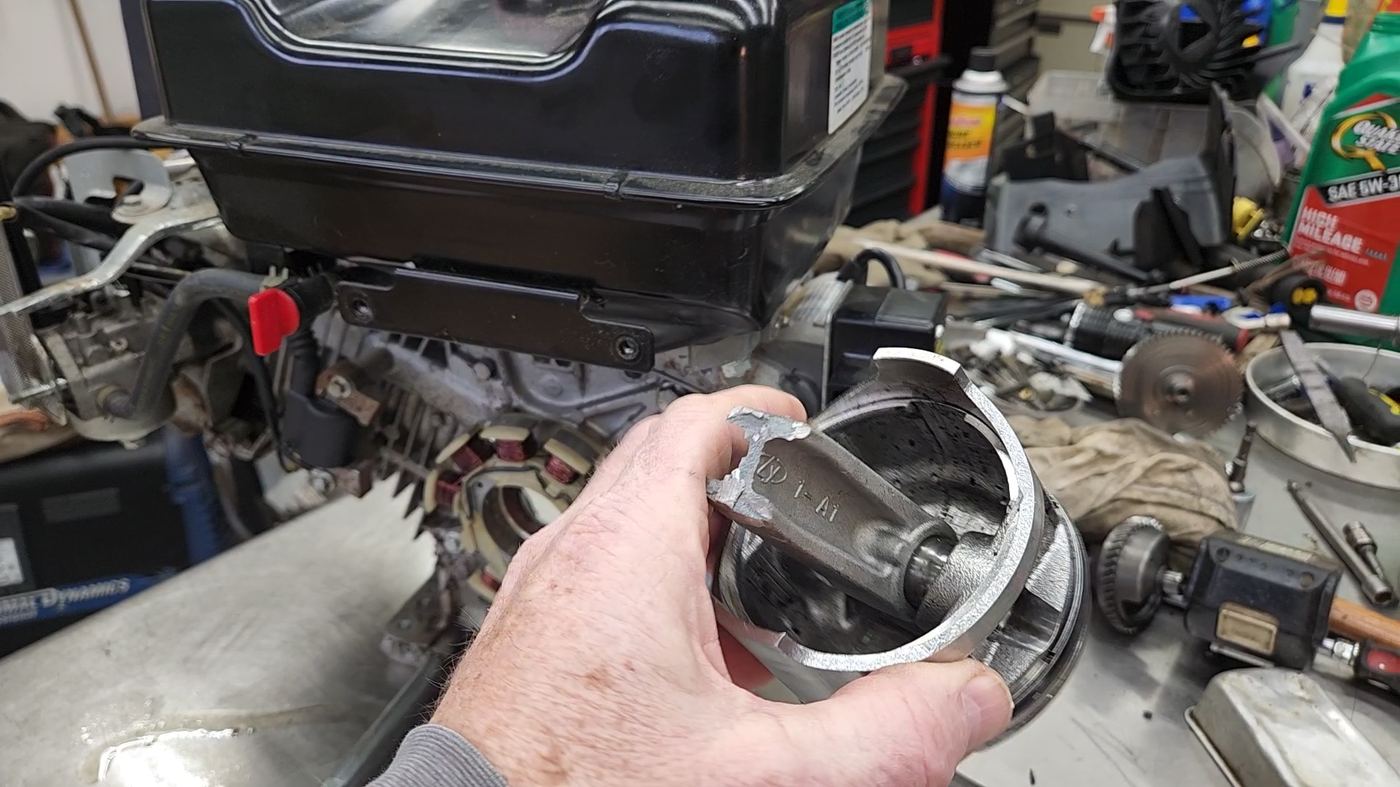
An engine teardown revealing serious internal damage. Sometimes the problem isn’t visible from the outside and only shows up once the engine is opened up.
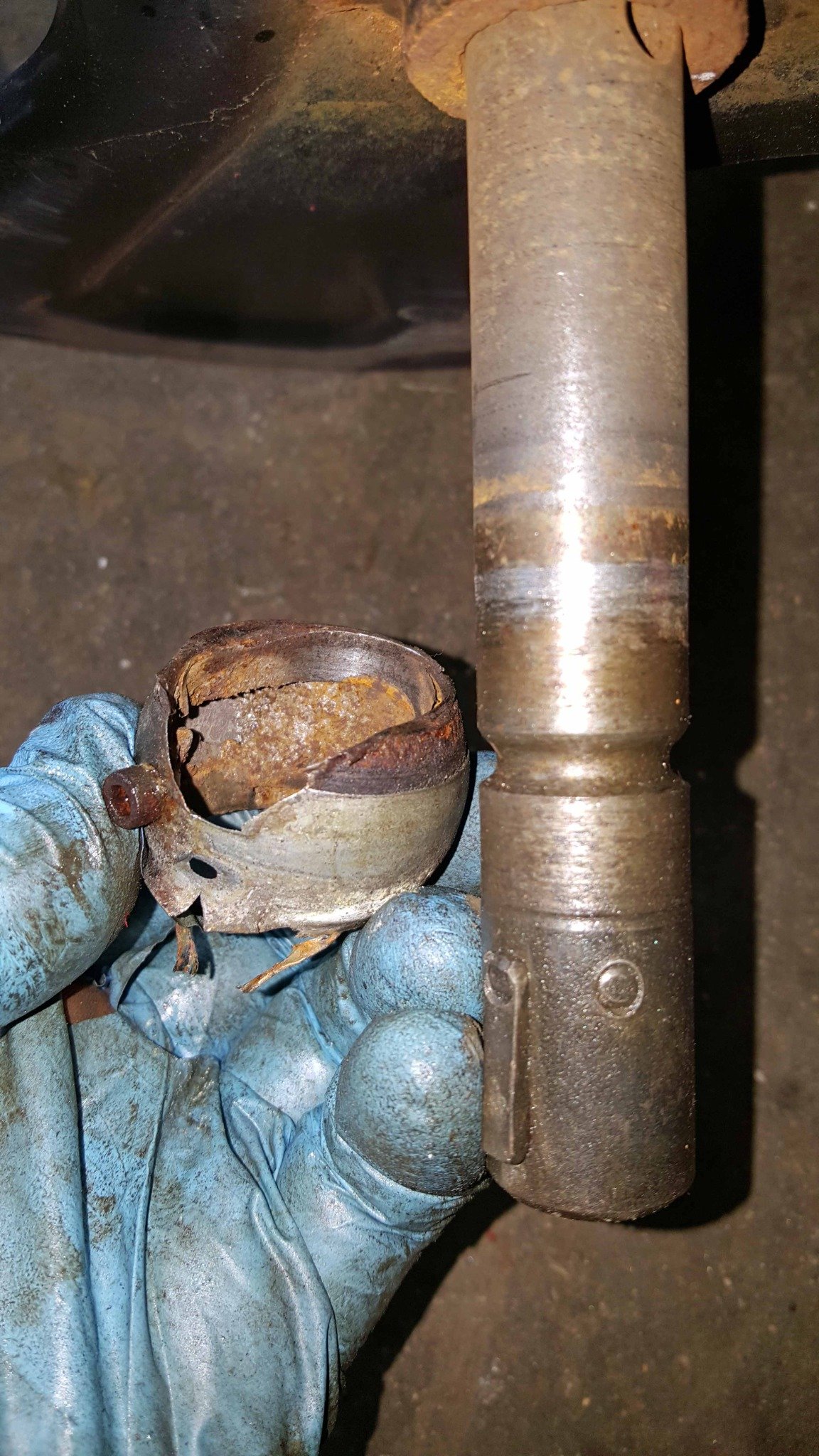
Before the repair on an older Toro snowblower. This shows the damaged auger input shaft and worn component removed during disassembly.
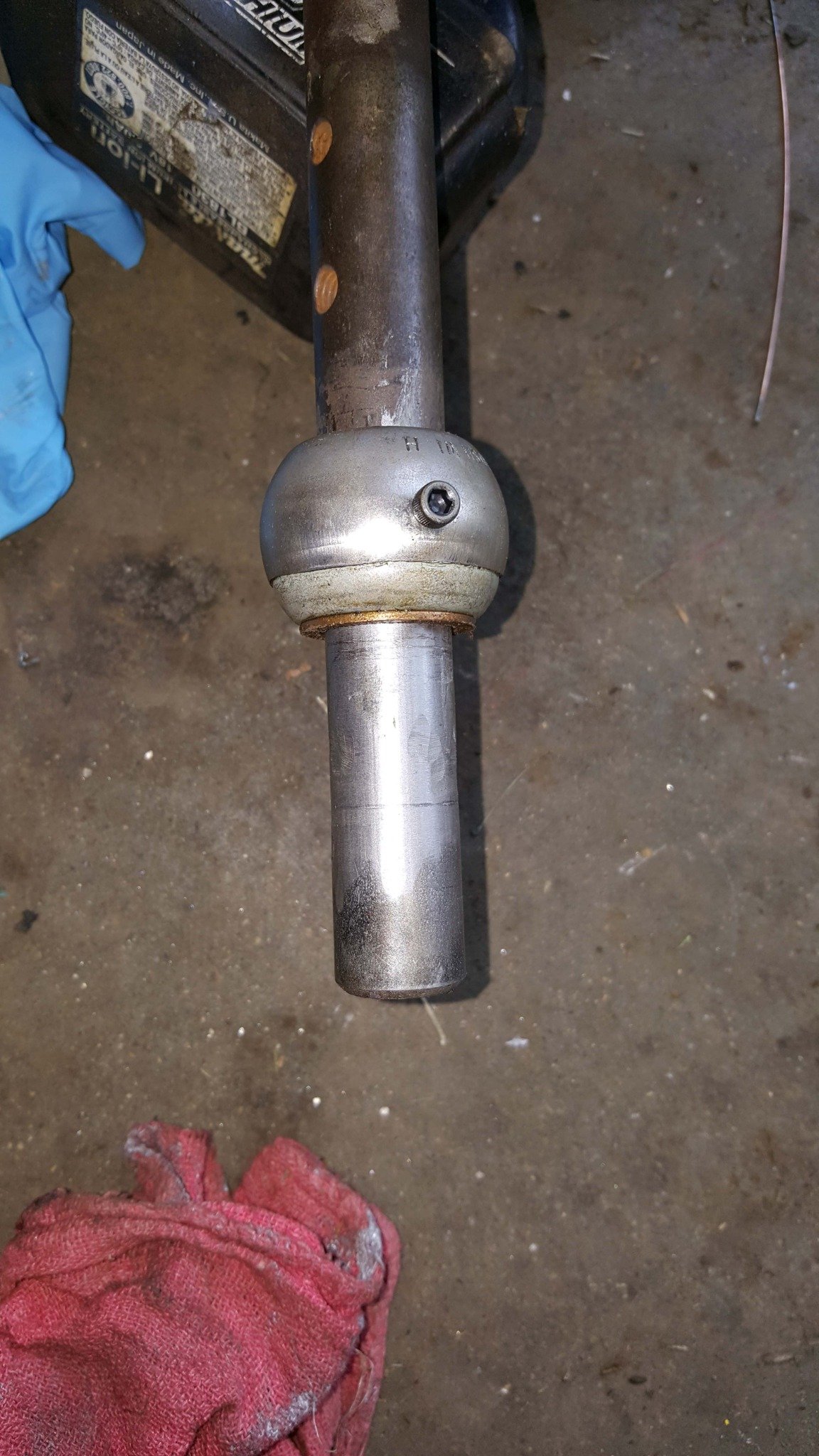
After the repair on the same older Toro snowblower. The auger input shaft has been rebuilt and reassembled with the repaired component installed.
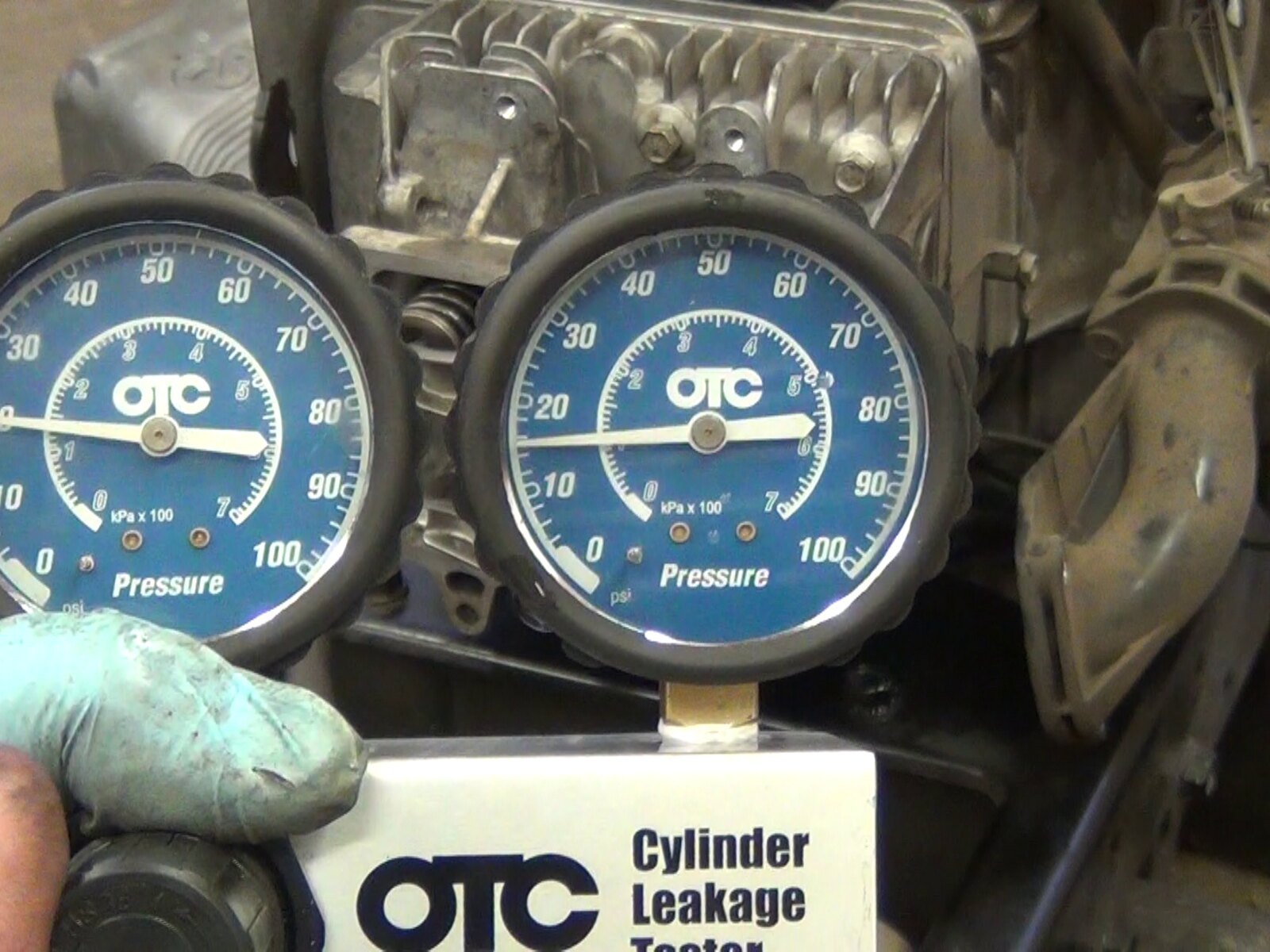
A cylinder leak-down test uses regulated compressed air to check how well the combustion chamber is sealing. By listening for where air escapes, the test can help isolate problems involving the head gasket, valves, piston rings or cylinder.
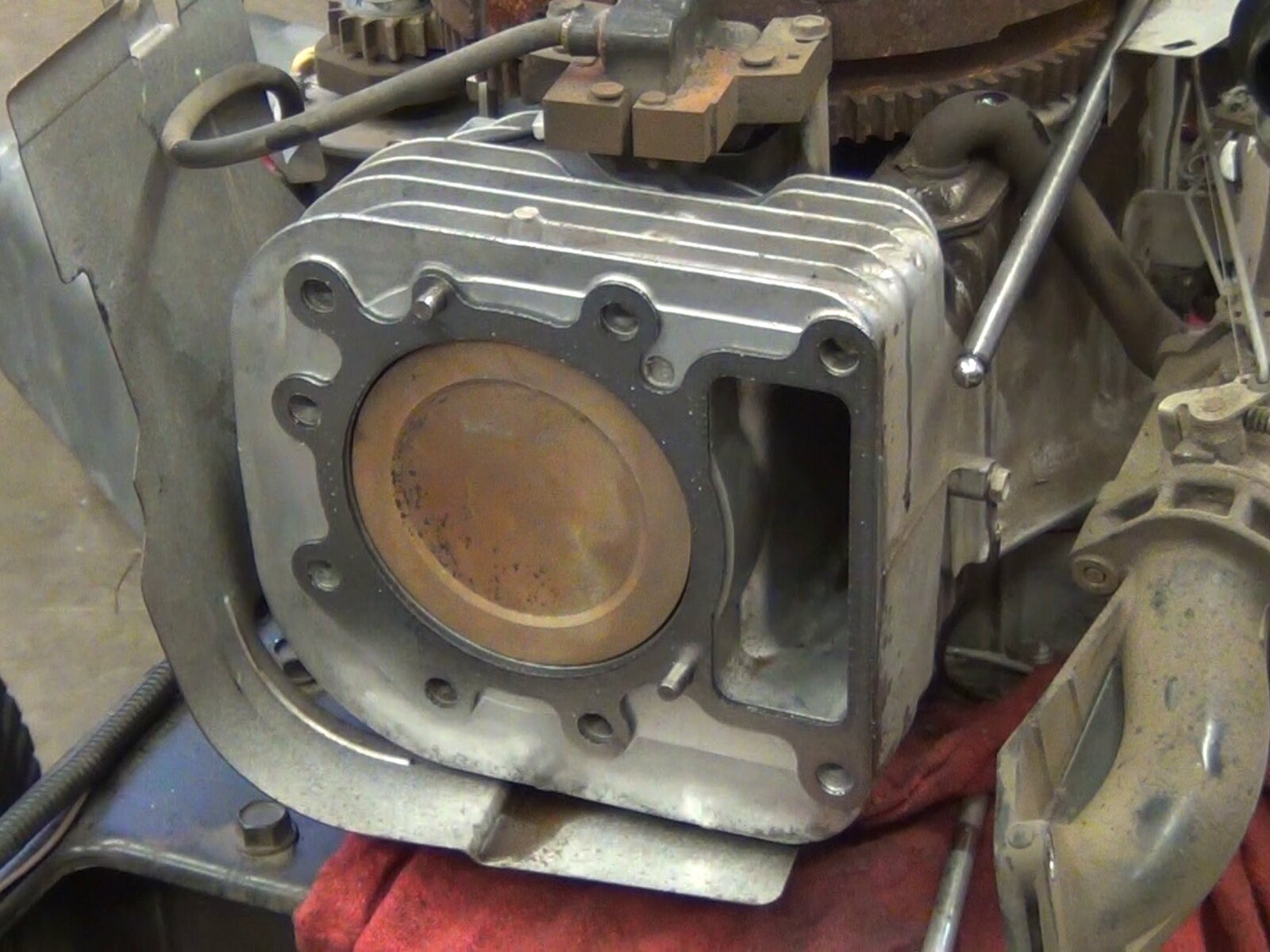
With a head-gasket leak confirmed, the cylinder head is removed so the failed gasket can be replaced and the sealing surfaces inspected. A sound head gasket is essential for maintaining compression and keeping combustion pressure where it belongs.
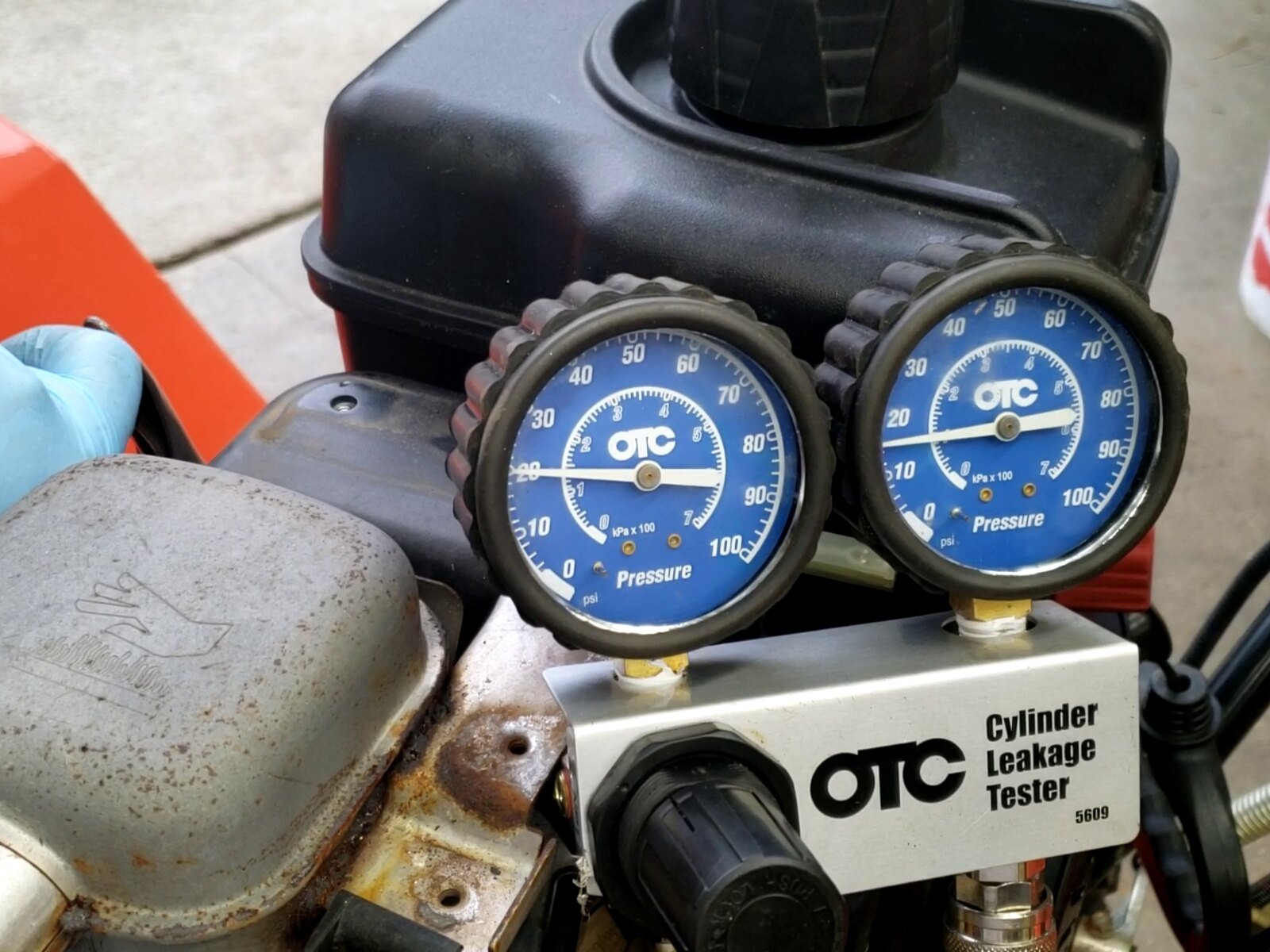
This Ariens snowblower with a Briggs engine was tested for cylinder leakage. Air escaping at the cylinder-head joint points to a leaking head gasket, a failure that can lead to poor compression, rough running and oil-burning symptoms.
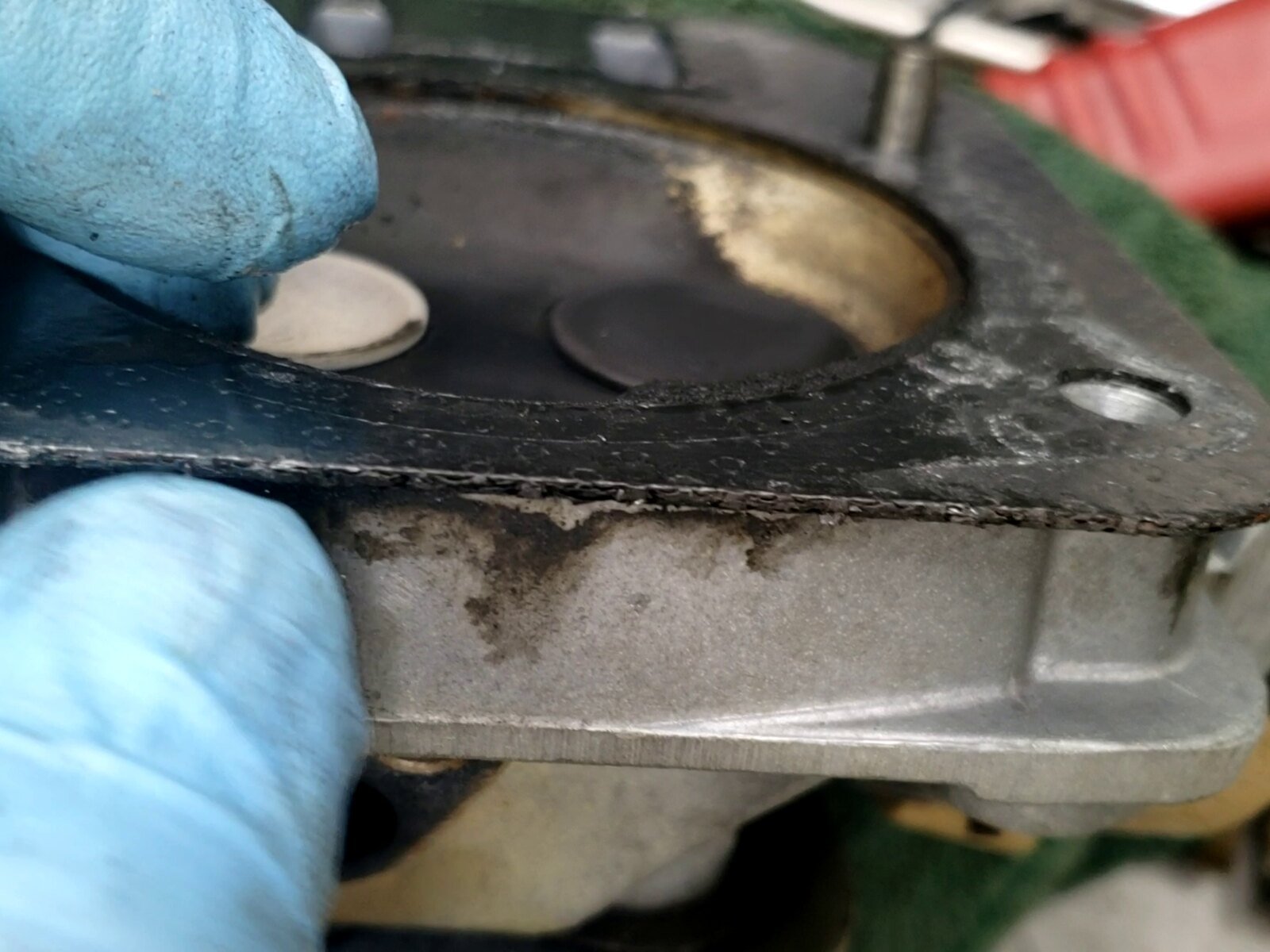
This close-up shows the damaged area of the head gasket where combustion pressure was escaping. Even a relatively small breach can reduce cylinder sealing and cause noticeable engine-performance problems.
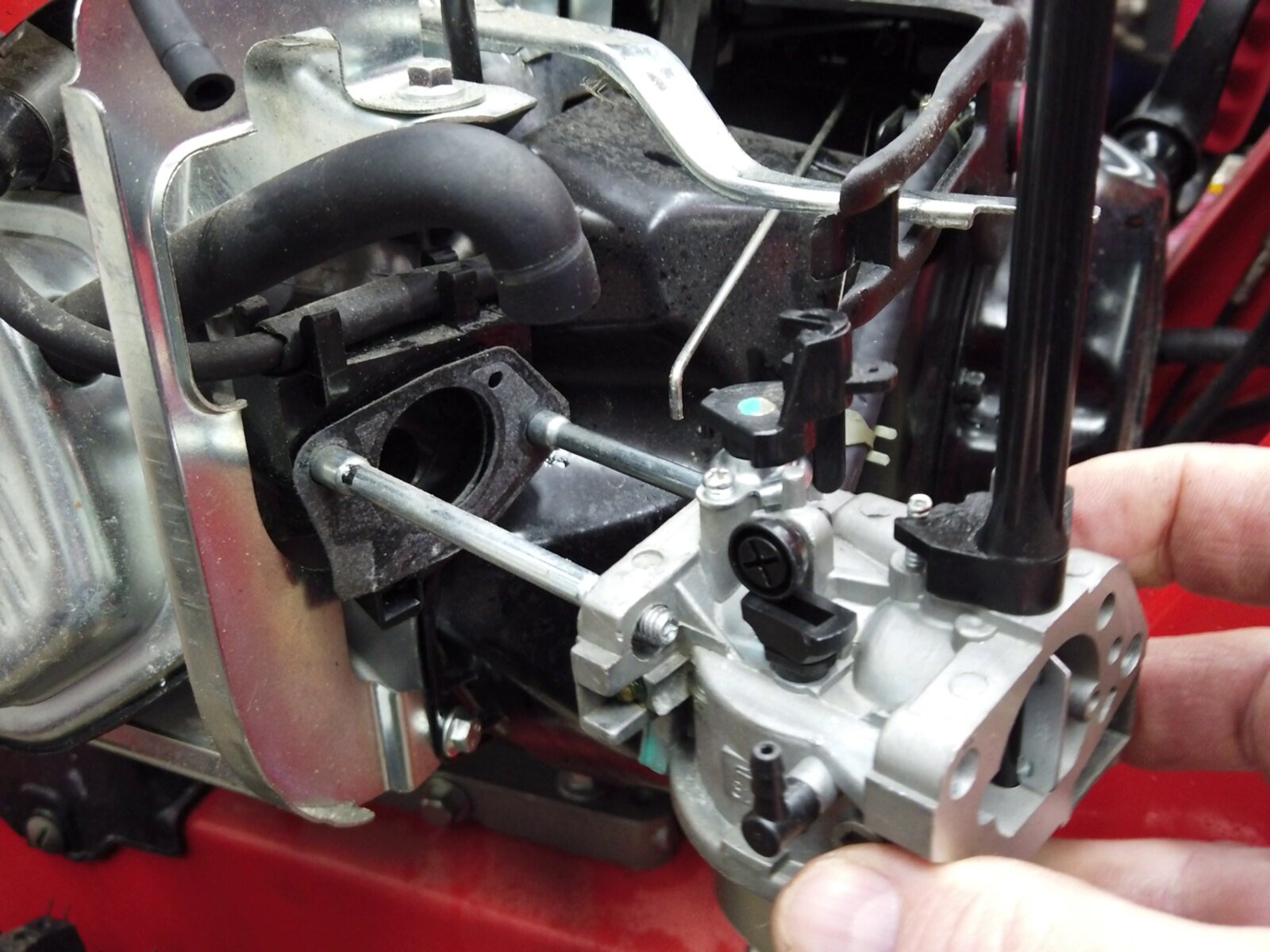
Carburetor work on the Briggs 420cc engine used in a Simplicity 28 snowblower. Dirt, varnish and fuel deposits can restrict the small fuel and air passages inside a carburetor, leading to hard starting, poor running or an engine that will not run at all.
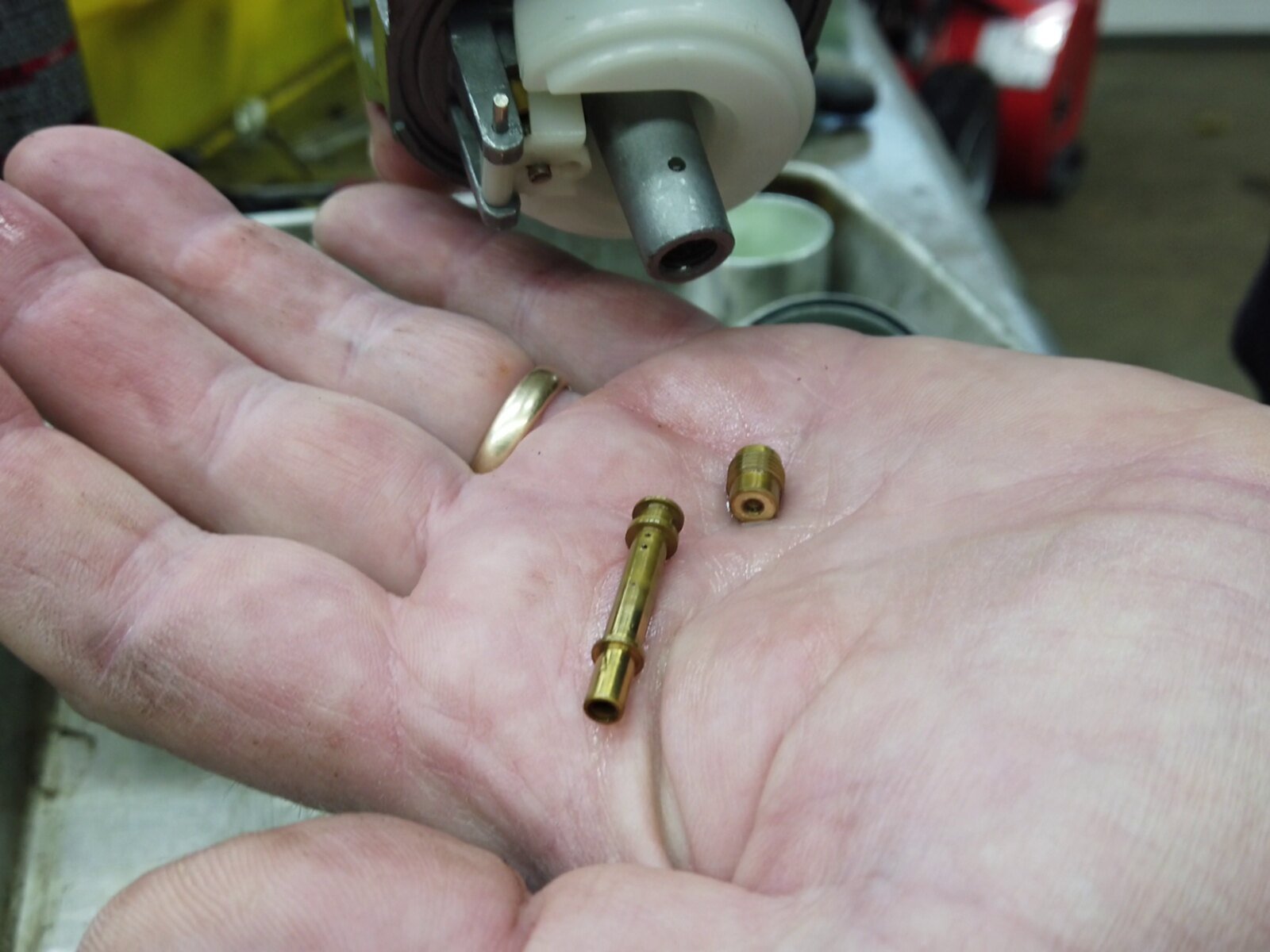
The main jet and emulsion tube are precision carburetor components that meter fuel and help mix it with incoming air. Their small openings must remain clear so the engine receives the correct fuel mixture across its operating range.
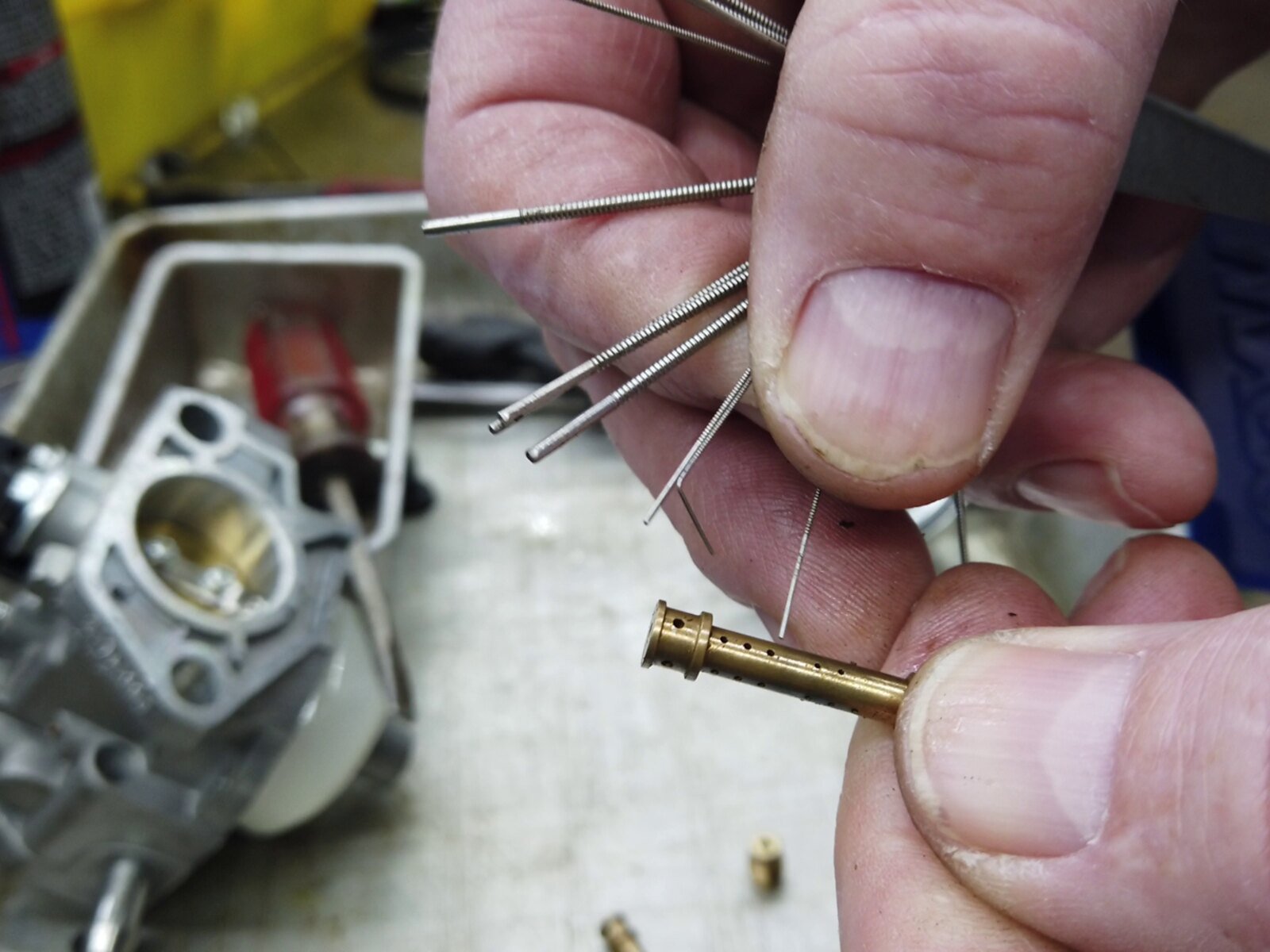
The tiny calibrated passages in an emulsion tube can become restricted by varnish or debris left behind by aging fuel. During carburetor service, these passages are carefully cleaned and inspected so fuel can flow and atomize properly.